
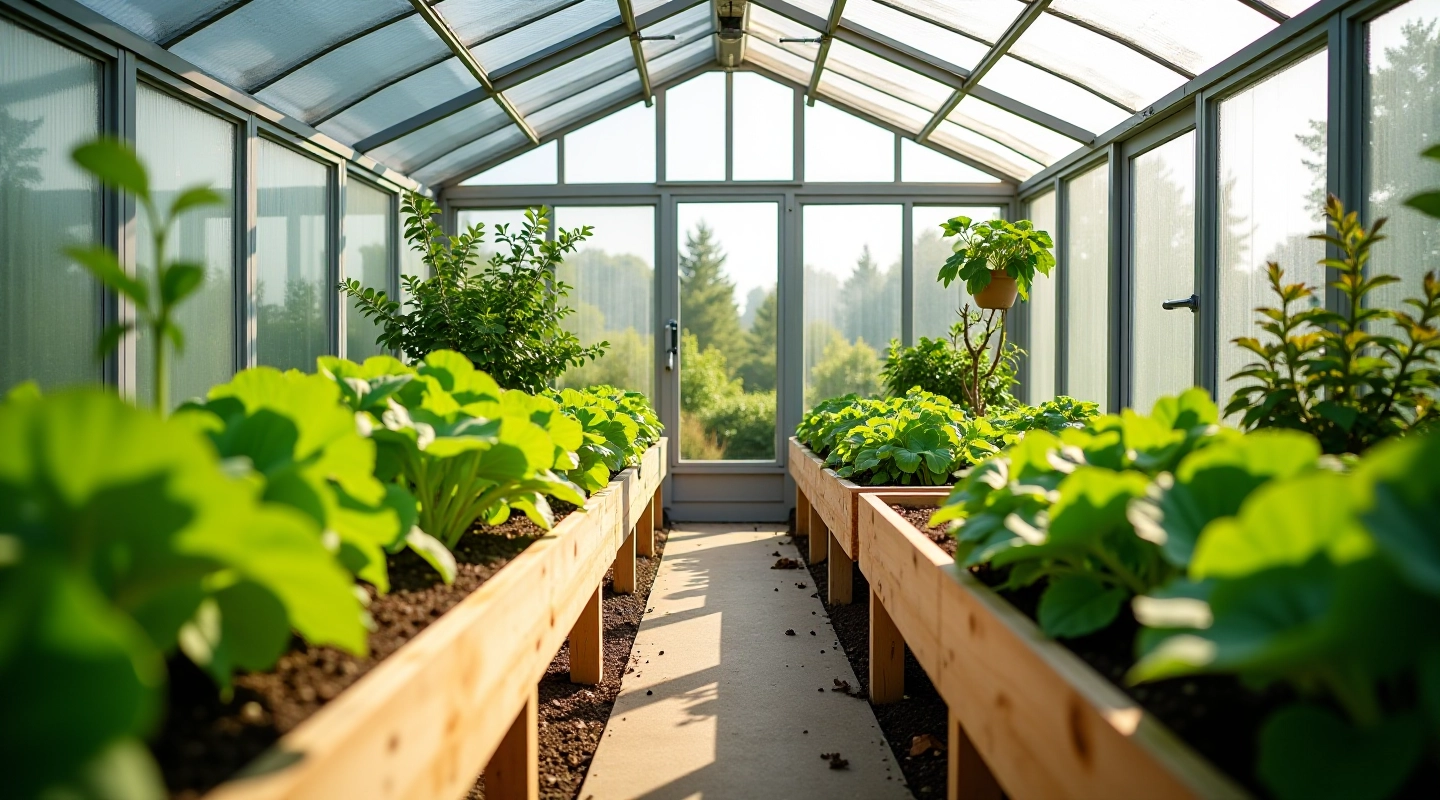
Setting Up Your First Home Greenhouse
A practical walkthrough of foundation, framing, and ventilation. What to budget for and where to cut corners wisely.
How to monitor and adjust conditions without expensive systems. Vents, fans, and water management that actually help.
Editorial Team
Written by the haldobright editorial team, focused on practical, easy-to-follow greenhouse and planting guidance for Klaipėda gardeners.
Temperature and humidity are the two things that make or break a greenhouse harvest. Get them right, and your plants thrive. Get them wrong, and you're watching mold spread while seedlings wilt.
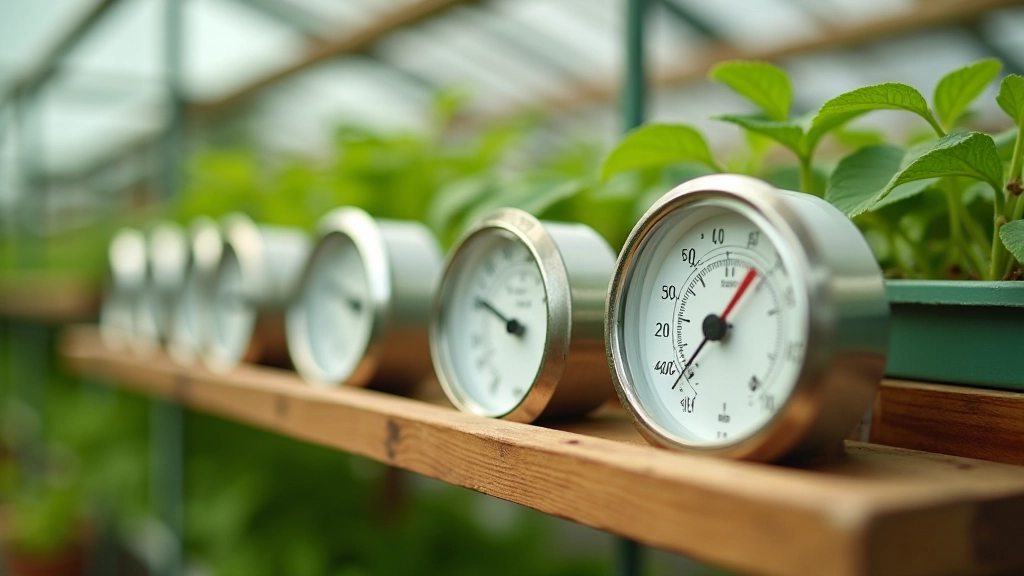
The good news? You don't need expensive climate control systems. We're talking about simple tools and techniques that actually work. A few thermometers, some strategic ventilation, and understanding how water moves through your greenhouse space. That's the foundation.
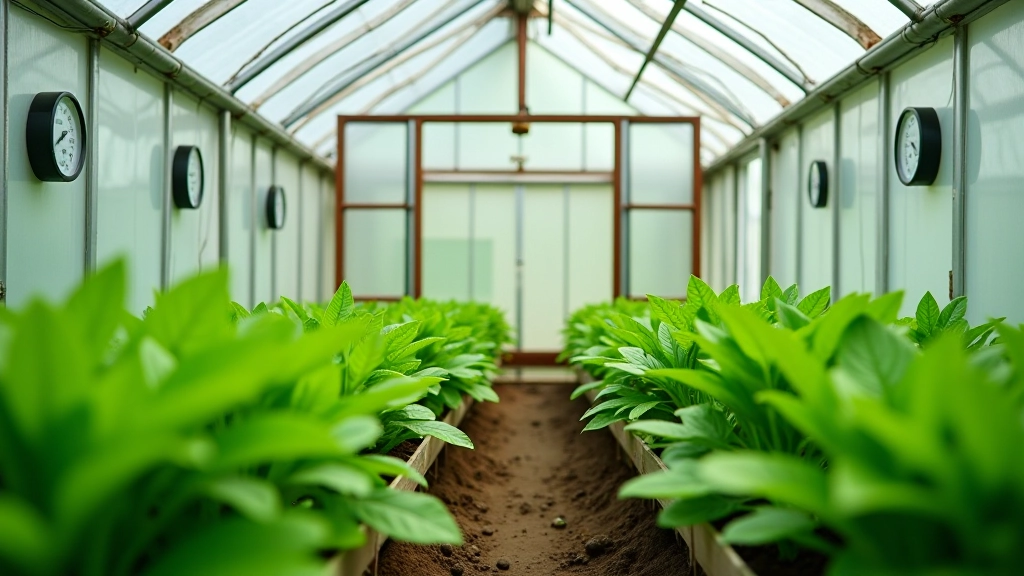
Most vegetables want daytime temperatures between 65°F and 75°F (18-24°C). Night temperatures can drop to 50-60°F (10-15°C) without causing problems. Tomatoes and peppers prefer it warmer — aim for 70-80°F (21-27°C) during the day.
The key thing? Consistency matters more than perfection. Dramatic swings between day and night temperature stress plants and slow growth. You'll see stunted development, flower drop on tomatoes, and reduced fruit set on peppers. That's why monitoring is crucial.
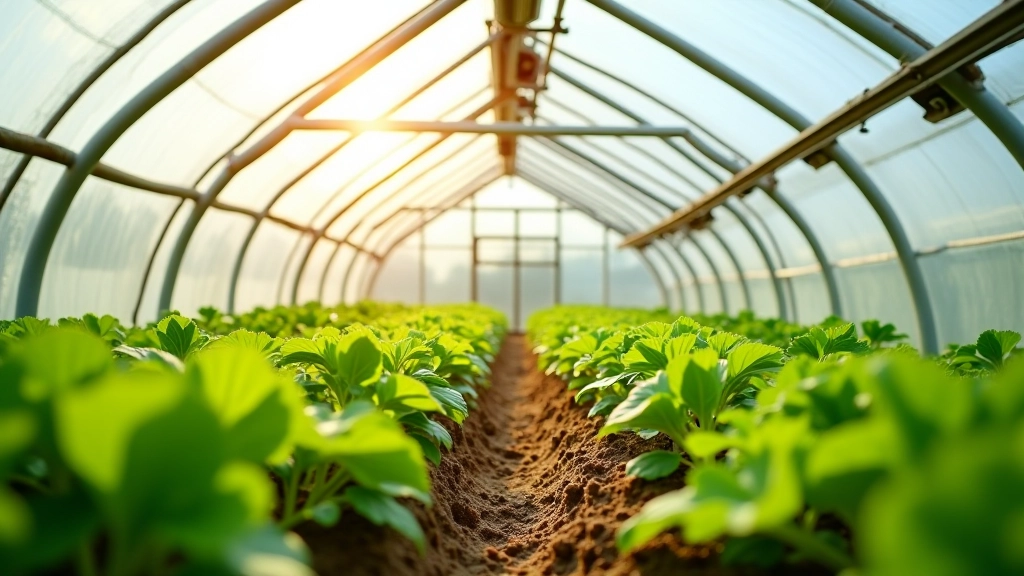
Before you buy fans or automated systems, get vents working properly. Natural ventilation through roof vents and side louvers moves air without electricity. Open them in the morning when temperatures start climbing, close them in late afternoon.
The rule: aim for one complete air exchange every 3-5 minutes on a hot day. If your greenhouse is 200 square feet with 8-foot ceiling height, you're looking at about 1,600 cubic feet of space. A basic oscillating fan can handle that. Don't overthink it — fans cost under $50 and solve half your climate problems.
One more thing. We've seen people vent straight up and lose all their heat in winter. Install louvers that close at night. It's not fancy, but it saves you hundreds on heating costs.
A practical walkthrough of foundation, framing, and ventilation. What to budget for and where to cut corners wisely.
Everything you need before March arrives. Soil, containers, heat mats, and the specific steps that actually work.
When to pick what. Storage tips for tomatoes, peppers, and leafy greens. Extend your harvest season properly.
High humidity breeds fungal problems. Powdery mildew, botrytis, and leaf spot diseases all love damp conditions. You're aiming for 50-70% humidity during the day. Above 85% and you're asking for trouble.
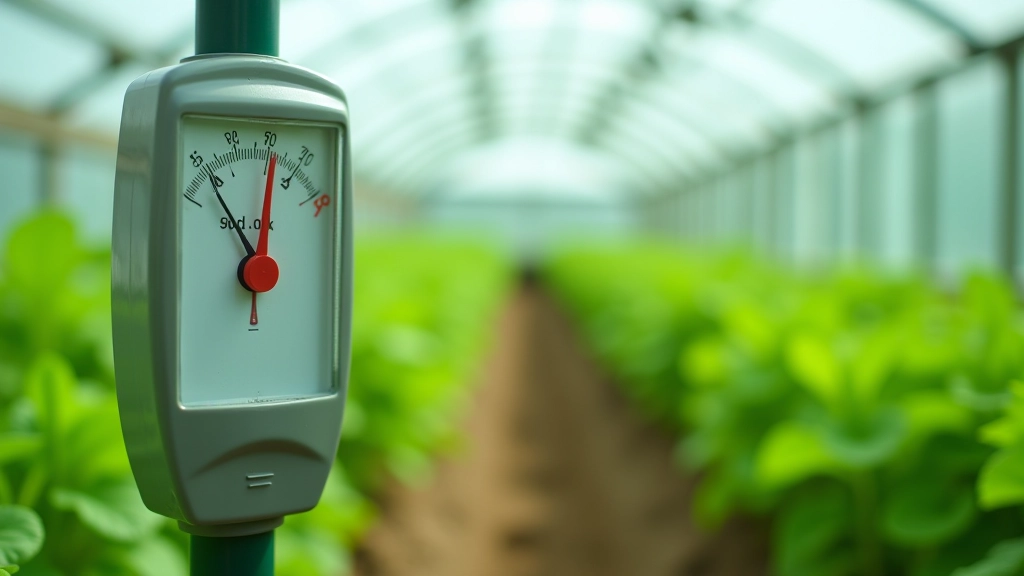
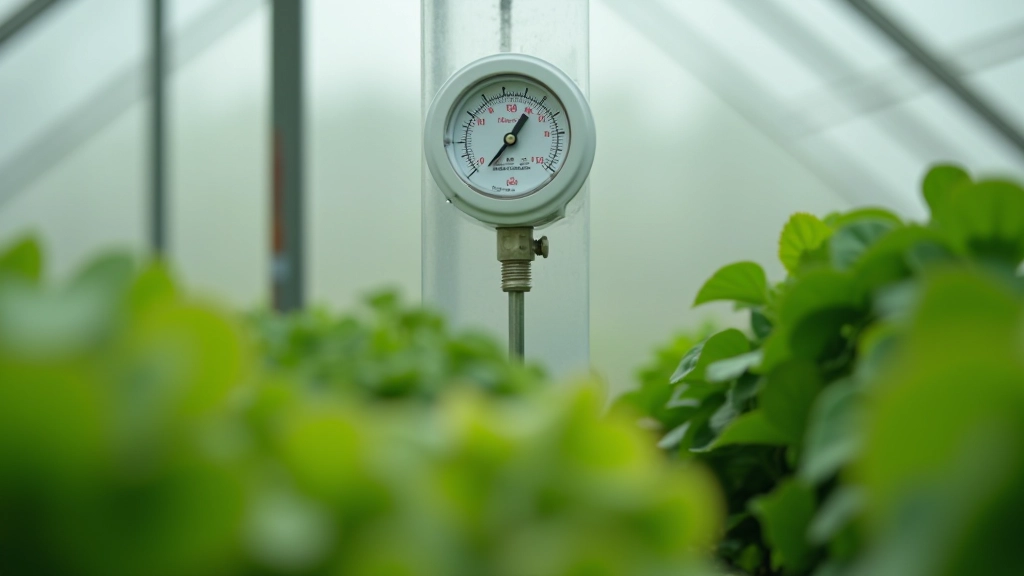
Here's what we actually do. Get a basic humidity meter — costs about $10. Place it at plant height. When humidity climbs above 75%, open vents wider and turn on a fan. Move air consistently. Stagnant humid air is what kills plants, not moisture itself.
Water management ties directly to humidity. Water early in the morning so leaves dry quickly. Avoid wetting foliage. Space plants so air moves between them. Don't overcrowd your greenhouse just because you have the space.
Watering in the morning is non-negotiable. Wet soil cools the greenhouse. Morning water dries quickly from foliage, reducing fungal risk. Evening watering? That's how you build humidity problems overnight.
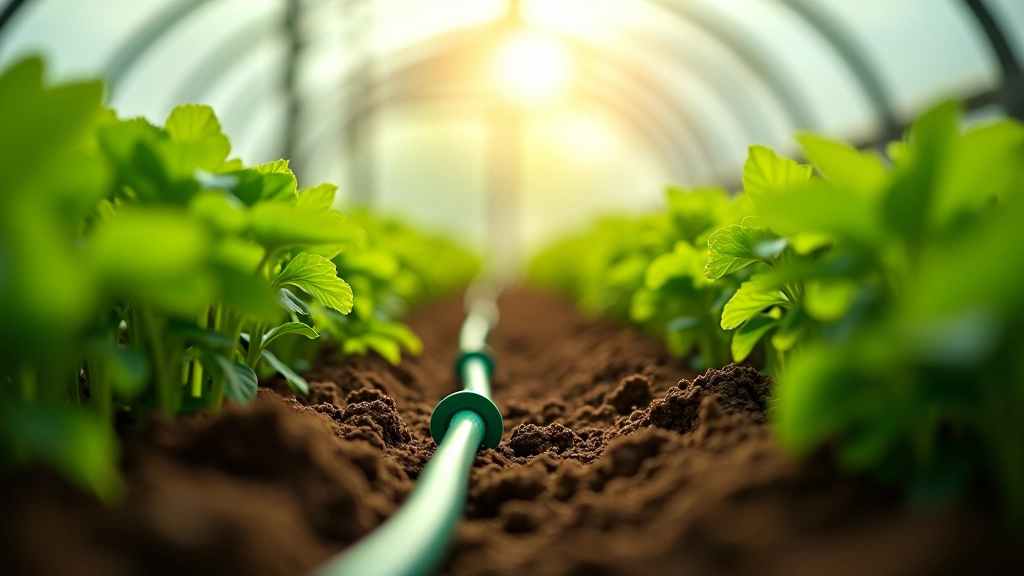
Use drip irrigation or soaker hoses when you can. They put water at soil level, not on leaves. Your humidity stays lower, plants get exactly what they need, and you use less water overall. If you're hand-watering, do it early and thoroughly — then walk away.
Pro tip: Check soil moisture 2 inches down. If it's moist, don't water. Overwatering is more common than underwatering in greenhouses, especially spring through early summer.
This guide is educational information based on general greenhouse management practices. Growing conditions vary significantly by location, season, and specific plant varieties. These recommendations are intended as starting points. Monitor your specific greenhouse conditions and adjust based on what you observe. If you're experiencing persistent plant health issues, consult local extension services or experienced growers in your area.
You don't need fancy equipment. A few thermometers, a humidity meter, some vents, and a basic fan will handle 90% of climate control in a home greenhouse. The real work is paying attention — checking conditions regularly and adjusting based on what you see.
Start with observation. Spend a week recording temperatures and humidity at different times of day. You'll quickly understand how your specific greenhouse behaves. Then make small changes. Open vents a bit more. Move the fan to a different position. Add a second thermometer in the shade.
Climate control isn't mysterious. It's just physics and attention. Get those right, and your greenhouse becomes genuinely productive.