
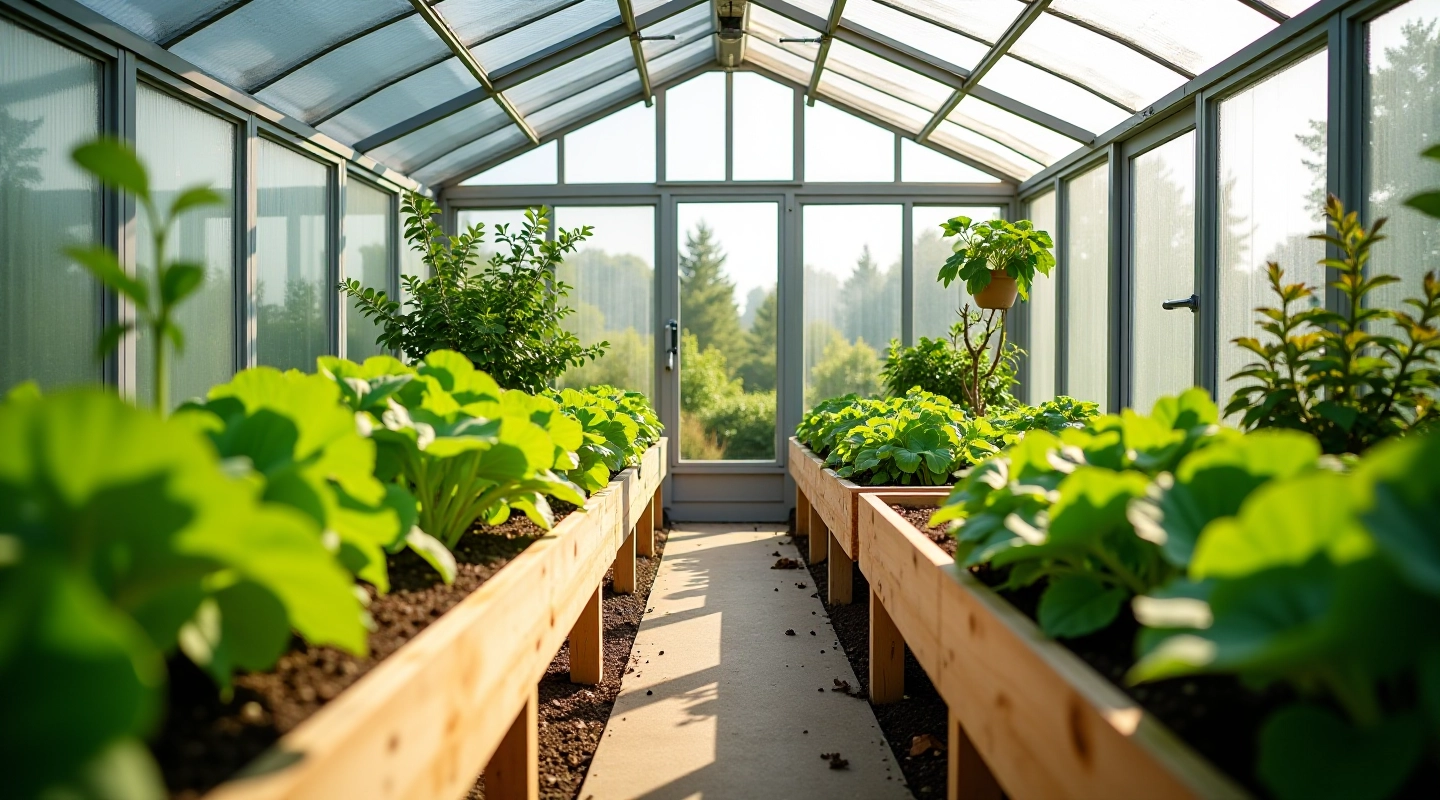
Setting Up Your First Home Greenhouse
A practical walkthrough of foundation, framing, and ventilation. What to budget and where to start.
Know when to pick what. Storage tips for tomatoes, peppers, and leafy greens. Extend your season into fall.
Editorial Team
Written by the haldobright editorial team, focused on practical, easy-to-follow greenhouse and planting guidance for Klaipėda gardeners.
There's something special about picking vegetables at just the right moment. Too early and you've lost flavor and nutrition. Too late and they're overripe or tough. It's not rocket science — you just need to know what you're looking for.
We're talking about the difference between a bland tomato and one that's bursting with taste. Between a pepper that's crisp and sweet versus one that's starting to soften. The timing changes depending on what you're growing, so let's break it down by vegetable.
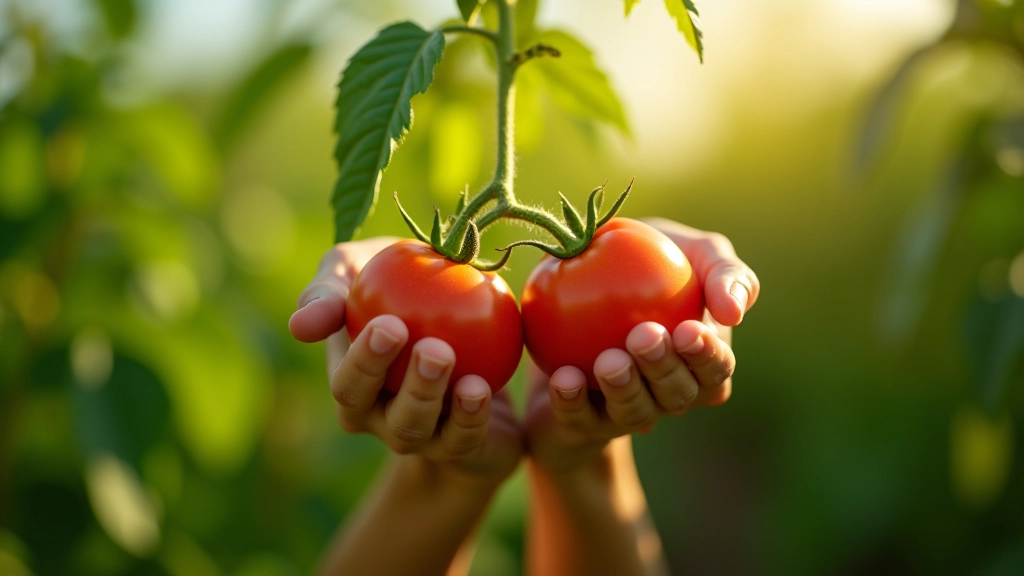
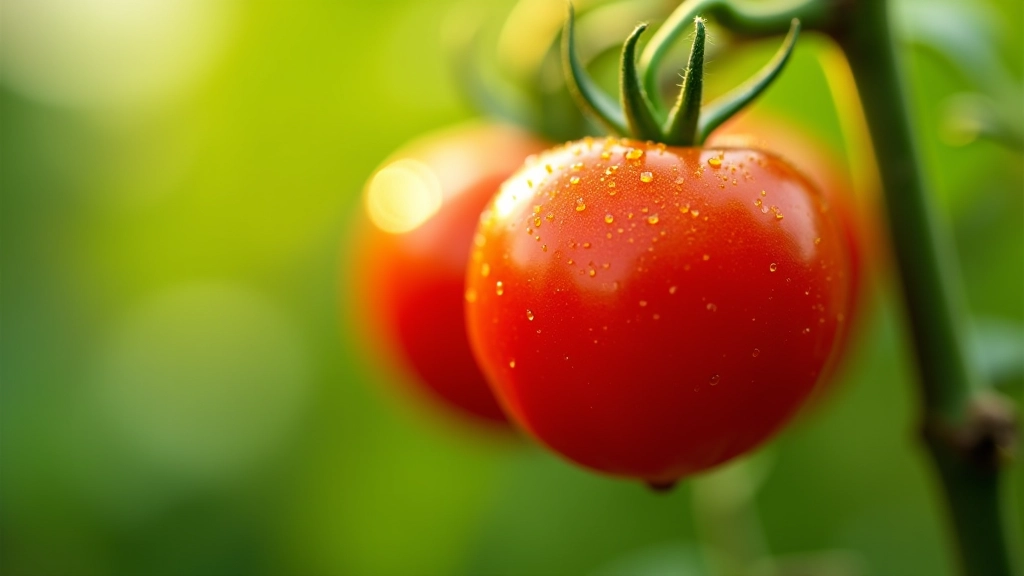
Tomatoes are the greenhouse champion. They're what most people grow first, and they reward good timing with incredible flavor. Here's what you're watching for: color is obvious — you want deep red, not orange or pink — but it's not everything.
Squeeze gently. A ripe tomato should give slightly when you press it, but not be mushy. It'll smell sweet and rich. If it smells like nothing, it's not ready yet. Pick when it's fully colored but still has a tiny bit of give. You can also harvest at the breaker stage — when the bottom just starts showing color — and let it finish ripening on the counter. This actually works better if you need shelf space in your greenhouse.
Storage: Room temperature is your friend. Cold air breaks down flavor compounds, so don't refrigerate unless they're fully ripe and you need to slow them down. Keep them stem-side down in a single layer. They'll last 3-7 days depending on ripeness.
This is where people get confused. You can eat peppers green, and they're perfectly fine. But they'll be bitter and less sweet. Most people prefer waiting for them to turn red, yellow, or orange. The longer they stay on the plant, the sweeter and softer they get.
A mature green pepper is firm and glossy. A ripe pepper is also firm but feels heavier — more water content. It'll have a waxy shine and deep color. You want them to be a full color, not partially colored. They'll keep producing too. Pick them with 1-2 inches of stem attached if you can.
Storage: Peppers like it cool but not cold. Store at 50-60°F if you have it, or in the vegetable drawer of your fridge at 45°F. They'll last 2-3 weeks. Don't store them next to tomatoes — tomatoes release ethylene gas that ripens peppers too fast.
A practical walkthrough of foundation, framing, and ventilation. What to budget and where to start.
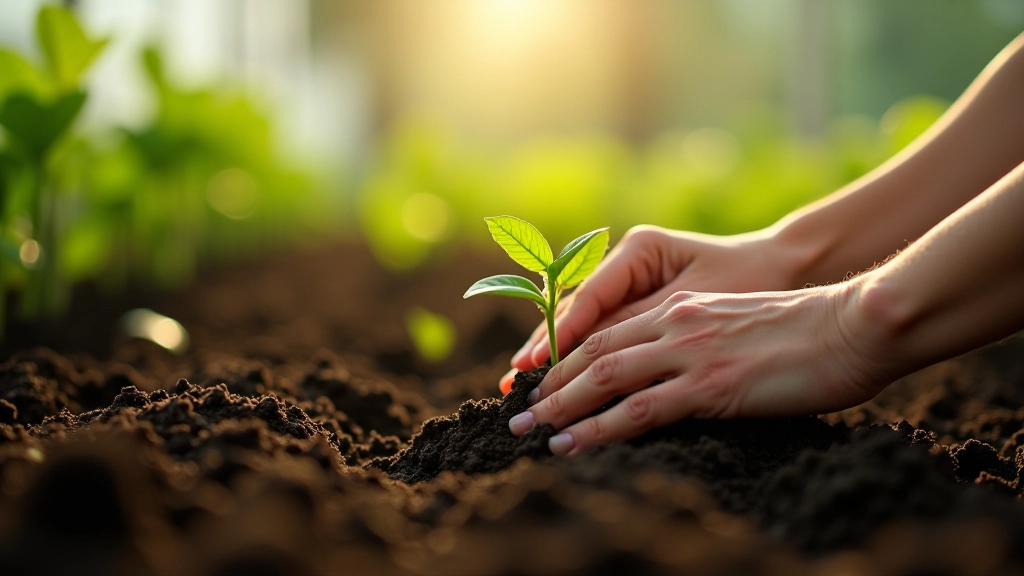
Everything you need before March arrives. Soil, containers, heat mats, and the sequence that works.
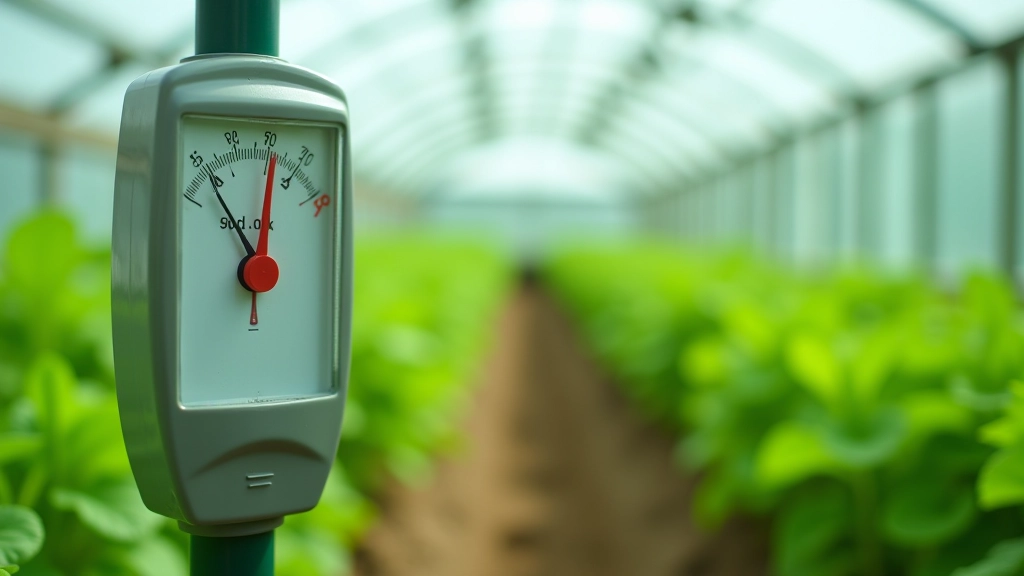
How to monitor and adjust conditions without expensive systems. Vents, fans, and thermometers.
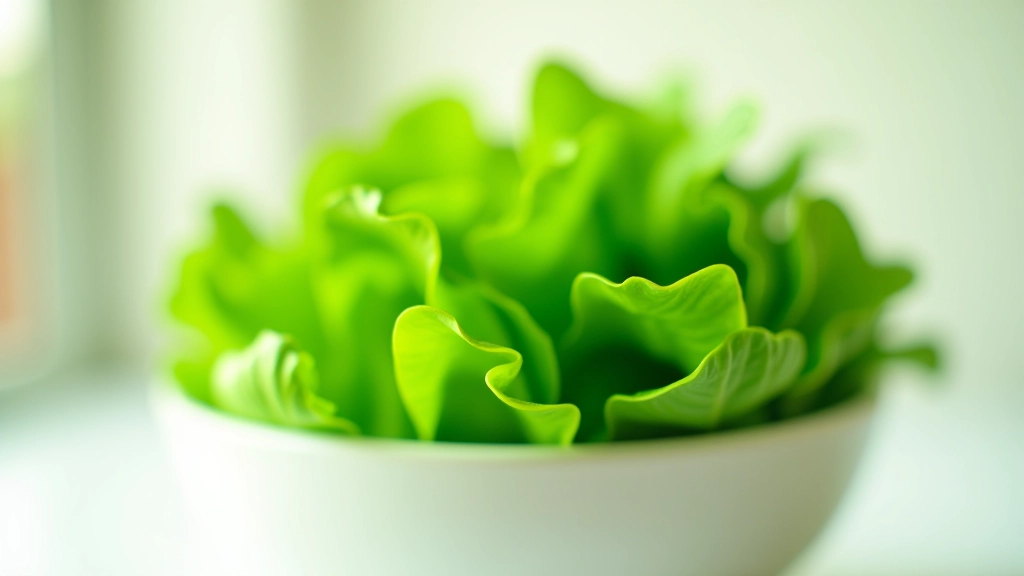
Lettuce, spinach, and kale are different beasts. You don't wait for them to be "fully mature" in the same way. You want them tender. For leaf lettuce, you can start harvesting when leaves are 4-6 inches long. Pinch off the outer leaves first and let the center keep growing. The plant'll produce for weeks.
Spinach is ready at about 40 days from planting, when leaves are 3-4 inches. Don't wait for it to bolt — once it starts flowering, it gets bitter and stringy fast. Kale's tougher. You can wait longer, and the flavor actually improves slightly after a light frost. Pick leaves from the bottom up, leaving the top growing point alone.
Storage: Greens need humidity and cold. Wash them, spin or pat dry, and store in breathable bags or containers in the fridge. They'll last 5-10 days. Don't seal them in plastic — they'll rot. Some people store them standing up in jars with a little water, like flowers. It actually works.
This article is educational information about vegetable harvesting and storage based on common growing practices. Growing conditions vary by climate, greenhouse setup, and specific vegetable varieties. Always follow safety guidelines when handling produce and consult local agricultural extension services for guidance specific to your region. Storage times are approximate and depend on temperature, humidity, and ripeness at harvest.
The real skill isn't just knowing when to pick. It's understanding that your greenhouse can keep producing well into fall if you're strategic. Pick peppers and tomatoes a bit earlier in late summer, and they'll keep ripening at home while the plant produces more. Harvest greens regularly — they respond by growing bushier and producing longer.
You'll develop a feel for it. By mid-season, you'll know exactly when that tomato is ready without thinking about it. You'll recognize the moment a pepper goes from "almost there" to "perfect." That's when greenhouse gardening stops being a task and becomes something you actually enjoy doing.
Want to master every aspect of greenhouse growing? Explore more guides in our collection.
Browse All Guides